
Figure Launches Index, a Global Human-Video Pipeline for Humanoid Robot Training
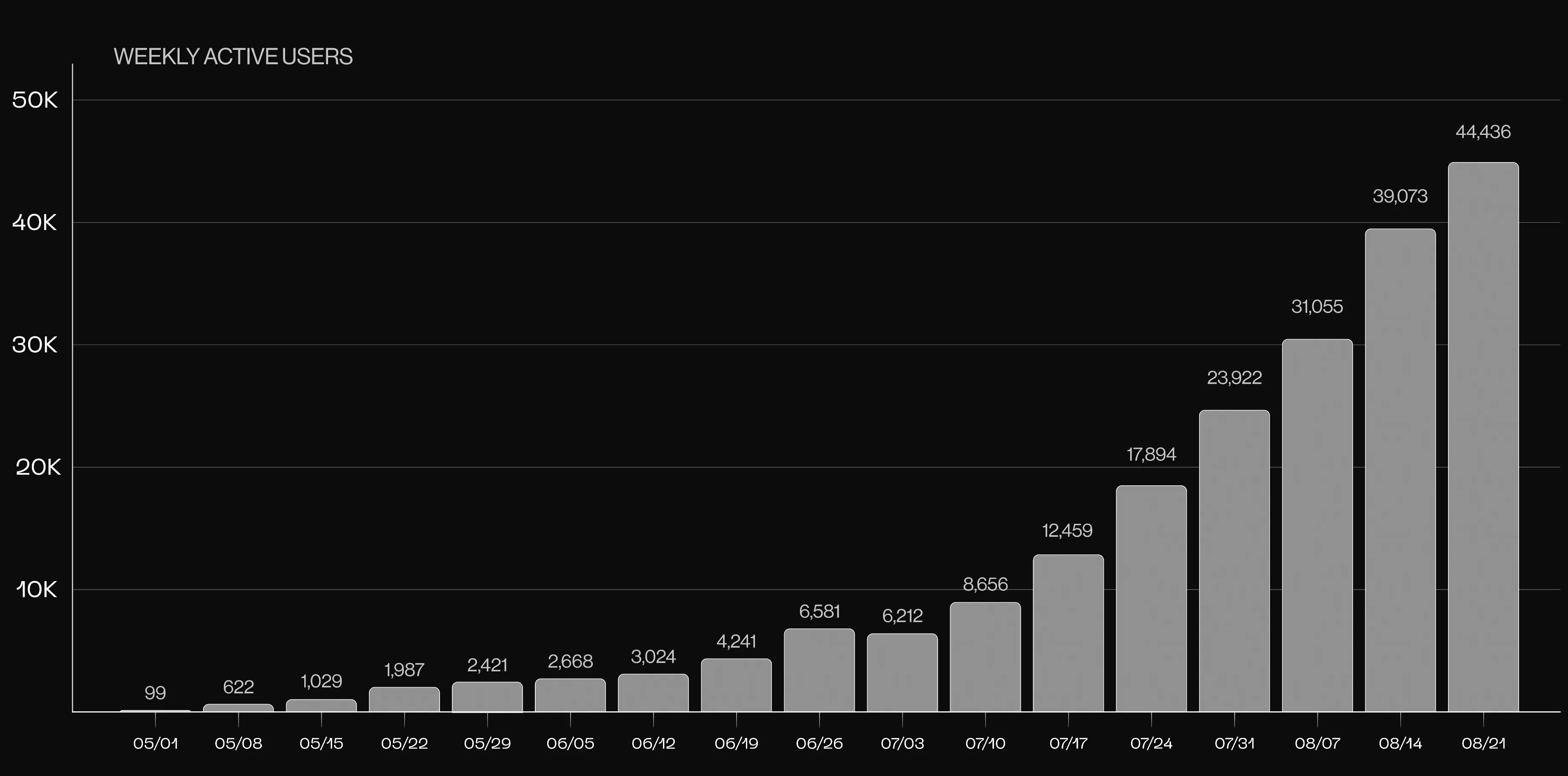
Figure has taken Index out of stealth, revealing a global human-video collection pipeline for training its Helix humanoid AI system, with more than 16 million uploaded videos and 44,000 weekly active contributors.
Figure takes its physical-AI data pipeline out of stealth
Figure announced Index on August 25, 2026, describing it as a large-scale real-world data collection system built to supply diverse human-task video for training its Helix humanoid AI stack.
The company says the app had already crossed 264,000 downloads in more than 100 countries, with over 44,000 weekly active users and more than 16 million uploaded videos during its stealth period.
Index is now being launched under that name on Google Play and the App Store. This is a released data-collection platform, not a newly released robot model.
Why Figure is building its own data network
General-purpose humanoids need examples of the long tail of physical tasks that do not exist in useful quantity on the public internet.
Figure says previous attempts to buy data from vendors did not meet its throughput, diversity or quality targets, so it built a company-exclusive collection pipeline that pays human contributors—called Creators—to record real tasks in homes and workplaces.
The company reports that Index currently processes around 30 minutes of video uploads every second and says contributors have earned $15 million to date.
Figure also states that, per 1,000 hours collected, the dataset contains 373 unique tasks, 1,146 unique manipulated objects and 116 unique environments.
Those figures are company-reported operational metrics and have not been independently audited in this announcement.
What people are recording
Figure says contributors record household tasks such as cooking, cleaning and laundry as well as work in logistics centers, restaurants, factories and offices.
The strategic idea is direct human-to-robot transfer: collect varied examples of how humans perform real tasks, transform those recordings into training episodes, and use them to improve Helix's ability to generalize across environments, objects and behaviors.
Index is not an open public robotics dataset. Figure describes the pipeline as Figure-exclusive and says it is designed specifically to feed the company's own Helix training stack.
The processing pipeline filters for quality and diversity
Figure describes five major stages after upload: filtering, fraud review, deduplication, rebalancing and annotation.
Automated systems first screen for technical, visual and semantic quality. Human analysts audit samples for deliberate attempts to bypass quality controls.
To reduce duplication, Figure says video segments are embedded and compared with previously accepted data; highly similar material can be discarded. The remaining data is rebalanced with task quotas and embedding-based clusters, and episodes receive hierarchical text captions.
This is an important detail because simply collecting huge amounts of video would not guarantee useful robot-learning coverage. Figure is explicitly trying to maximize diversity, not just raw hours.
A much larger scale-up is planned
Figure says it is now on a path to expand the system by 100x and has committed to spend more than $1 billion over the next 12 months on data and compute.
That is an announced future investment and scaling target, not capacity that has already been deployed.
The company says internal generalization results are encouraging but has not yet published the detailed evidence behind that claim. Those results should therefore be treated as pending company research rather than established benchmark performance.
Why Index matters for physical AI
Robotics is increasingly constrained by data rather than model architecture alone. Internet-scale text and image corpora cannot directly supply enough examples of physical interaction, object manipulation and real-world variation for general-purpose robots.
Index represents a different strategy: build a global consumer-style contributor network to capture human behavior at scale, then turn those recordings into a curated physical-world training corpus.
If Figure can convert this diversity into measurable gains in Helix, the data pipeline itself could become as strategically important as the robot hardware or VLA model. The key questions now are how much of the collected video becomes useful training data, how well human video transfers to robot action, how contributor privacy and workplace permissions are managed, and whether the promised generalization gains hold up under transparent evaluation.
This article is built from the source material below. Open the originals for full context and the latest updates.
