
Overview
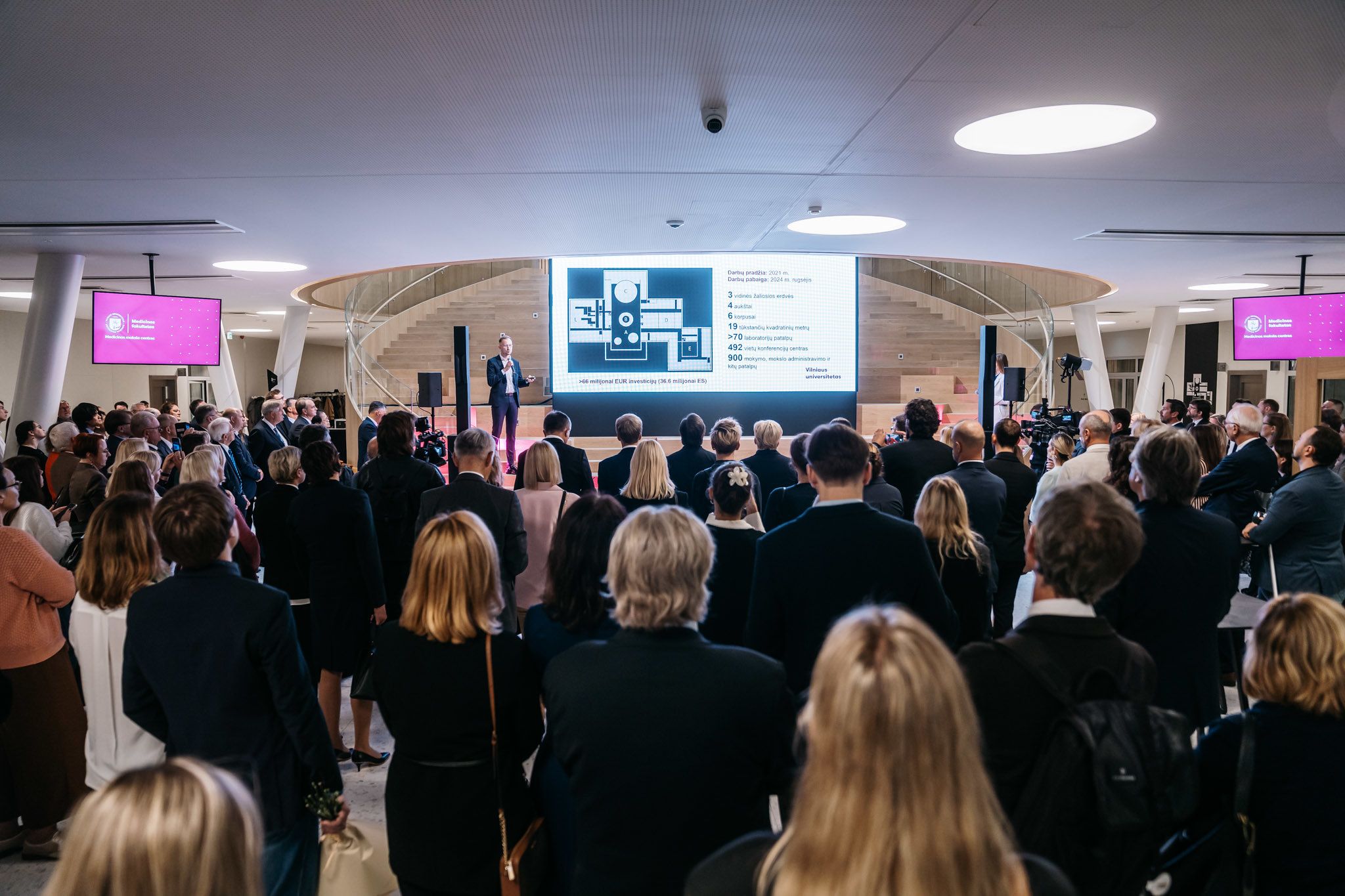
8 September 2026 Lina Kocienė Emergencies, healthcare workforce shortages, and the rapid development of artificial intelligence are transforming not only doctors' work but also how they are trained. Experts in medicine, medical education, and health policy from Lithuania and across Europe will gather in Vilnius on 10–12 September to discuss how medical schools and healthcare systems should prepare for these changes. The conference, Academic Medicine Under Pressure in Times of Uncertainty: Education – Research – Patient Care, is organised by the Association of Medical Schools in Europe (AMSE) and the Faculty of Medicine at Vilnius University (VU). Over three days, participants will examine whether current medical education systems are adequately prepared for emergencies, conflicts, crises, and disruptions to healthcare services. They will also consider which competencies future doctors wi
Complete competition details
Description
Full Job Description
-
8 September 2026
-
Lina Kocienė
Emergencies, healthcare workforce shortages, and the rapid development of artificial intelligence are transforming not only doctors' work but also how they are trained. Experts in medicine, medical education, and health policy from Lithuania and across Europe will gather in Vilnius on 10–12 September to discuss how medical schools and healthcare systems should prepare for these changes.
The conference, Academic Medicine Under Pressure in Times of Uncertainty: Education – Research – Patient Care, is organised by the Association of Medical Schools in Europe (AMSE) and the Faculty of Medicine at Vilnius University (VU).
Over three days, participants will examine whether current medical education systems are adequately prepared for emergencies, conflicts, crises, and disruptions to healthcare services. They will also consider which competencies future doctors will need and how artificial intelligence can be safely integrated into clinical practice.
The programme will address several challenges of particular relevance to Lithuania, including shortages of healthcare professionals and difficulties attracting them to the country’s regions, burnout among medical students, and the need to strengthen health system preparedness for crises.
“Medical education must keep pace with the world in which future doctors will practice. They will need to be ready not only to use the latest technologies, but also to work in times of crisis and profound uncertainty, make responsible decisions, and preserve the human connection with their patients. The conference in Vilnius will allow Lithuanian experts to join colleagues from other countries in shaping the future of medical education in Europe,” says Professor Algirdas Utkus of the VU Faculty of Medicine, Secretary General of AMSE, and Chair of the conference Organizing Committee.
The first day of the conference will focus on preparing for and providing medical care during emergencies. Practical sessions will explore the use of whole blood in austere environments, the prevention of hypothermia, and the management of massive haemorrhage. UK-based physician Rokas Tamošauskas will share his experience as a civilian anaesthesiologist treating patients injured in the war in Ukraine.
Speakers addressing the future of medical education and healthcare in Europe will include Vytenis Povilas Andriukaitis, Member of the European Parliament and former European Commissioner for Health and Food Safety, and Tomas Zapata of the WHO Regional Office for Europe. They will be joined by Matthias Wismar, Programme Manager at the European Observatory on Health Systems and Policies, and Steven Engels, representing the European Commission.
The experts will consider how Europe should respond to shortages of doctors and other healthcare professionals, which new skills future healthcare workers will require, and how to facilitate the recognition of professional competencies acquired in different countries.
On 11 September, the Medical Science Centre of Vilnius University (Žaliųjų Ežerų St 2, Vilnius) will host discussions on the use of artificial intelligence and digital technologies in medicine, as well as on personalised medicine and rare diseases.
Speakers will examine the knowledge doctors need to evaluate AI-generated results critically, identify potential errors, retain control over clinical decision-making, and safeguard patient safety. The programme will also cover advances in genomics, the prospects of personalised medicine, and the ethical questions raised by emerging technologies.
The final day of the conference will focus on student mental health. Researchers from Lithuania and abroad will discuss student burnout, how peers influence young people’s emotional wellbeing, the lasting effects of the pandemic, and how students respond to global crises.
The full conference programme is available online.
Tips for this competition
Practical JobOpportunity guidance. These tips do not replace official rules or create new eligibility requirements.
- Study the scoring criteria and previous winners before deciding what evidence, prototype, essay, research or portfolio will best support the entry.
- Confirm country, age, team, education and organization restrictions and whether one person may enter multiple submissions.
- Follow the required file format, word/time limits and naming rules exactly; technical non-compliance can disqualify a strong entry.
- Keep proof of submission and submit before the deadline rather than relying on the final hour.
Verification notes
Extracted from a public opportunity page using specific title, application/deadline, eligibility and benefit signals. Aggregator/news pages remain review-controlled unless an official provider page is successfully verified. Complete structured details were extracted from the public authoritative source while preserving the original application link.
JobOpportunity is the discovery and verification layer. Confirm eligibility, dates, salary/funding and application instructions on the original source before submitting anything.
Apply through JobOpportunity →Browse current JobOpportunity listings from Vilnius University Careers →
